Airlifting Democracy: Record Nuapada Turnout Defies Maoist Threat in Odisha's Sunabeda Sanctuary
In a remarkable testament to democratic resilience, ballot boxes were safely airlifted from Odisha's Maoist-hit Nuapada district, following an unprecedented voter turnout in the challenging Sunabeda sanctuary region.
The Roar of Rotors, The Voice of the People
In a powerful display of democratic spirit against a backdrop of deep-seated security challenges, ballot boxes were recently airlifted safely from the remote, Maoist-affected tracts of Odisha’s Nuapada district. This isn't just a logistical feat; it’s a story of unprecedented courage, strategic foresight, and the unwavering resolve of ordinary citizens to cast their vote. What makes this event particularly compelling is that this perilous operation followed a record voter turnout in the region, especially within the confines of the Sunabeda Wildlife Sanctuary.
Imagine polling stations nestled deep within a dense forest, an area historically plagued by extremist violence, where the very act of voting could be seen as an act of defiance. Yet, thousands turned up, their inked fingers a silent but potent message. This isn't just news; it's a testament to the resilience embedded in the democratic process, particularly in one of the world's largest democracies.
Nuapada: A Landscape of Beauty and Challenge
Nuapada district, located on the western edge of Odisha, shares its borders with Chhattisgarh – a state also grappling with left-wing extremism, commonly known as Maoism or Naxalism. It's a region of breathtaking natural beauty, home to the sprawling Sunabeda Wildlife Sanctuary, known for its diverse flora and fauna, including tigers, leopards, and countless bird species. But beneath this serene exterior lies a history of conflict and underdevelopment.
For decades, Maoist insurgents have exploited the rugged terrain, lack of infrastructure, and socio-economic vulnerabilities of the local tribal populations to establish strongholds. They've often sought to disrupt government functions, including elections, viewing them as symbols of a state they oppose. Their presence has historically cast a long shadow over electoral participation, intimidating voters and making the conduct of free and fair elections an arduous task for authorities.
The sanctuary itself, with its dense forests and isolated hamlets, offers ideal cover for insurgent groups, making accessibility for both development and administration incredibly difficult. This isolation contributes to poverty, limited access to education and healthcare, and a sense of alienation among the tribal communities, factors that the Maoists often leverage for recruitment and support. Therefore, conducting elections here is never a routine affair; it's a meticulously planned, high-stakes operation.
The Electoral Gauntlet: Battling Geography and Insurgency
The challenges of holding elections in Nuapada are manifold. First, there's the sheer geographical difficulty. Polling parties often have to trek for miles through dense forests, across rivers, and over hills, carrying heavy election materials. Roads, where they exist, are often rudimentary or prone to damage, especially during the monsoon season. This makes traditional transportation methods unreliable, if not impossible.
Second, and perhaps most critically, is the security threat. Maoists frequently issue boycott calls during elections, threatening voters and polling officials. Landmines, ambushes, and targeted attacks are grim realities that security forces and election personnel have to contend with. Ensuring the safety of electoral teams, the ballot boxes, and critically, the voters themselves, requires an enormous deployment of paramilitary forces, local police, and intelligence gathering.
In past elections, voter turnout in these specific pockets has often been subdued due to fear, a lack of awareness, or the sheer difficulty of reaching polling booths. Overcoming this historical apathy and fear is a monumental task, demanding sustained efforts from both the Election Commission and local administration to build trust and assure security.
A Turning Tide: Nuapada's Record Turnout
This election, however, told a different story. Despite the inherent dangers and the remote locations, Nuapada witnessed a remarkable surge in voter participation, particularly in the Sunabeda sanctuary areas. The exact figures are still being analyzed, but preliminary reports indicate a turnout that far exceeded expectations and historical averages for these challenging zones.
What spurred this change? Several factors likely contributed. Increased awareness campaigns by the Election Commission, coupled with a concerted effort by security forces to create a sense of safety, undoubtedly played a role. The deployment of additional troops, continuous patrolling, and intelligence-led operations helped to neutralize potential threats and instill confidence among the electorate. Furthermore, local administration officials often undertake extensive outreach, encouraging villagers to participate and assuring them of full protection.
More fundamentally, this record turnout signals a potential shift in the local populace's sentiment. It suggests a growing desire for mainstream governance, development, and an opportunity to voice their aspirations through the ballot box. Decades of conflict and underdevelopment have perhaps fostered a strong yearning for change, and residents are increasingly seeing elections as a legitimate pathway to achieving it. It’s a powerful repudiation of extremist ideologies that seek to disenfranchise and isolate communities.
Operation Airlift: A Symphony of Security and Logistics
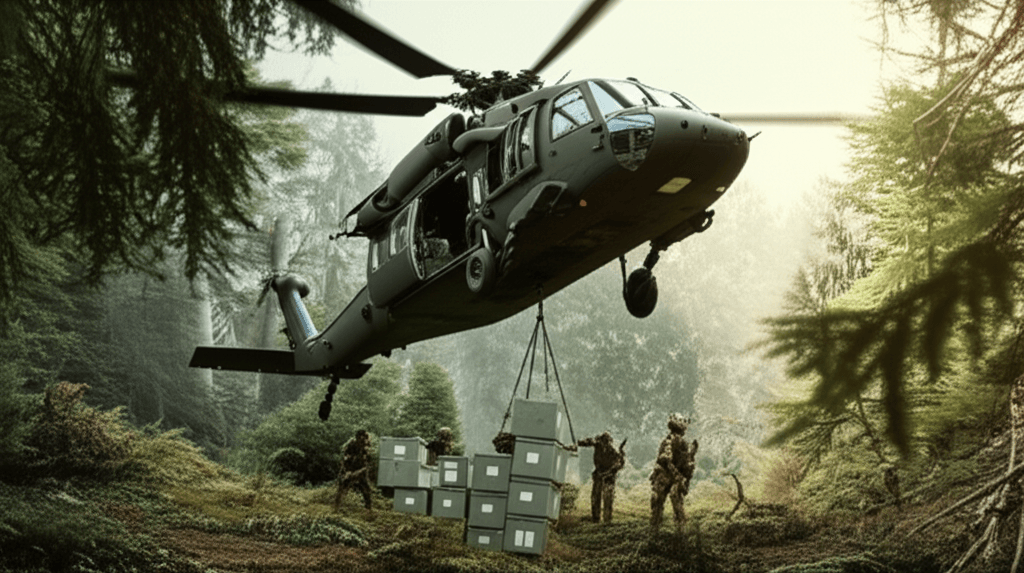
With such a significant turnout, the safe retrieval of ballot boxes became paramount. Given the treacherous terrain and the lingering security threat, road transport was deemed too risky and time-consuming. This is where the helicopters came in. The decision to airlift the ballot boxes was a strategic masterstroke, ensuring not only the security of the polled votes but also the safety of the polling personnel.
The operation involved close coordination between the Election Commission, district administration, the Odisha Police, and paramilitary forces like the Central Reserve Police Force (CRPF). Helicopters, often from the Indian Air Force or Border Security Force (BSF) air wing, were deployed. These sorties are meticulously planned: assessing landing zones, factoring in weather conditions, and ensuring ground security at both the pickup and drop-off points.
The images of uniformed personnel carefully loading sealed ballot boxes onto helicopters, often in the heart of the forest, are emblematic of the extraordinary measures taken to uphold the democratic process in challenging regions. It's a complex ballet of logistics and security, executed with precision to safeguard every single vote, ensuring that the voice of every citizen, no matter how remote, is heard.
The Unseen Heroes: Voters, Officials, and Security Forces
While the headlines focus on the airlifting, it's crucial to acknowledge the myriad individuals who make such an event possible. First and foremost are the voters themselves. Their courage in defying threats, undertaking long journeys, and overcoming decades of intimidation is truly inspiring. They are the frontline soldiers of democracy, demonstrating unwavering faith in the system.
Then there are the election officials – teachers, government employees, and volunteers – who form the polling parties. They spend days away from their families, traversing difficult terrain, setting up booths in basic conditions, and meticulously conducting the voting process. Their dedication, often under threat, is fundamental to the integrity of the elections. They truly embody the spirit of public service.
And finally, the security forces. From patrolling the vast sanctuary to providing cover for polling teams, from securing the polling stations to ensuring the safe airlifting of sensitive materials, their role is indispensable. Their constant vigilance and readiness to respond to threats are what allow democracy to flourish even in the most hostile environments. This successful operation is a feather in their cap, showcasing their commitment to safeguarding the democratic fabric of the nation.
Beyond the Ballot Box: Implications for Peace and Development
The safe retrieval of ballot boxes from Nuapada after a record turnout isn't merely a procedural success; it carries significant implications for the region and for India's ongoing battle against extremism. It sends a clear message to Maoist groups that their attempts to undermine the democratic process are failing, and that the local populace is increasingly choosing the path of peaceful participation.
This surge in voter confidence also paves the way for greater government engagement in these previously inaccessible areas. Higher participation legitimizes elected representatives and empowers them to demand and deliver more development projects – roads, schools, healthcare facilities, and economic opportunities – which are crucial for addressing the root causes of extremism. When people feel heard and see tangible progress, the appeal of extremist ideologies wanes.
This event serves as a powerful symbol of the resilience of Indian democracy. It underscores the immense effort and resources dedicated to ensuring every citizen's right to vote, even in the face of daunting challenges. It's a story that reminds us of the profound value of democratic participation and the enduring hope for peace and progress in regions scarred by conflict.
For more insights into the complex interplay of governance and public participation, you might want to explore our Politics category. The challenges in Nuapada highlight universal themes of democratic resilience and the ongoing effort to bring development to marginalized communities.
The Road Ahead: Sustaining the Momentum
While the successful airlifting and the record turnout are significant victories, the journey towards lasting peace and development in Nuapada, and similar Maoist-affected regions, is far from over. The state and central governments must capitalize on this momentum.
Key areas for continued focus include:
- Infrastructure Development: Accelerating the construction of roads, bridges, and communication networks to improve connectivity and reduce isolation.
- Socio-Economic Upliftment: Implementing targeted schemes for education, healthcare, skill development, and livelihood generation, particularly for tribal communities.
- Strengthening Governance: Ensuring effective delivery of public services, promoting transparency, and addressing grievances to build trust in the administration.
- Continued Security Vigilance: Maintaining a strong security presence while also focusing on intelligence-led operations and community policing to neutralize residual threats and foster a sense of security.
- Rehabilitation and Surrender Policy: Encouraging misguided youth to return to the mainstream by offering attractive rehabilitation packages.
The record turnout in Nuapada isn't just about votes; it's about hope. It's about a community asserting its right to a better future, a future where development triumphs over deprivation, and peace prevails over violence. The airlifting of those ballot boxes wasn't just about transporting votes; it was about elevating the aspirations of a resilient people.
Comments
Loading comments...
Related Articles

Olivia Nuzzi's 'American Canto': A Deep Dive into Her Highly Anticipated New Book
Political journalist Olivia Nuzzi is set to captivate readers with her new book, 'American Canto,' promising an unfiltered, deeply immersive journey into the heart of contemporary American politics. This article explores Nuzzi's distinctive voice, her career trajectory, and the profound themes readers can expect from her latest literary endeavor.